




Table of Contents
- 9 Examples of Engaging On-Site Content
- Bring Your Content Marketing Strategy Full Circle
- Ready To Turn On‑Site Content Into Measurable Growth?
On-site content refers to the content users interact with on your website. It includes the pages, resources, internal links, meta descriptions, and page copy that shape how visitors navigate your site and decide whether to convert. Strong on-site content turns passive traffic into active users by pairing engaging content with a clear, intuitive user experience.
As part of a broader search engine optimization (SEO) strategy, high-quality on-site SEO content plays a direct role in generating leads. It keeps users on the page longer, guides them through the buyer’s journey, and supports meaningful actions like sign-ups or inquiries.
In this article, we break down nine types of on-site content and show real examples of how brands use them to support a stronger SEO strategy that improves your website’s visibility across search engine results pages (SERPs) and drives consistent organic traffic.
9 Examples of Engaging On-Site Content
The most effective on-site SEO content strategy involves understanding your target audience, researching search intent and search volume, and choosing relevant keywords and headings that align with real pain points users are actively searching for. To illustrate, let’s explore key types of on-site content and how brands use each format to fulfill a variety of digital marketing goals.
Blogging
One of the most commonly seen types of on-site content is blog posts. This popular type of website content satisfies both search engines and user intent.
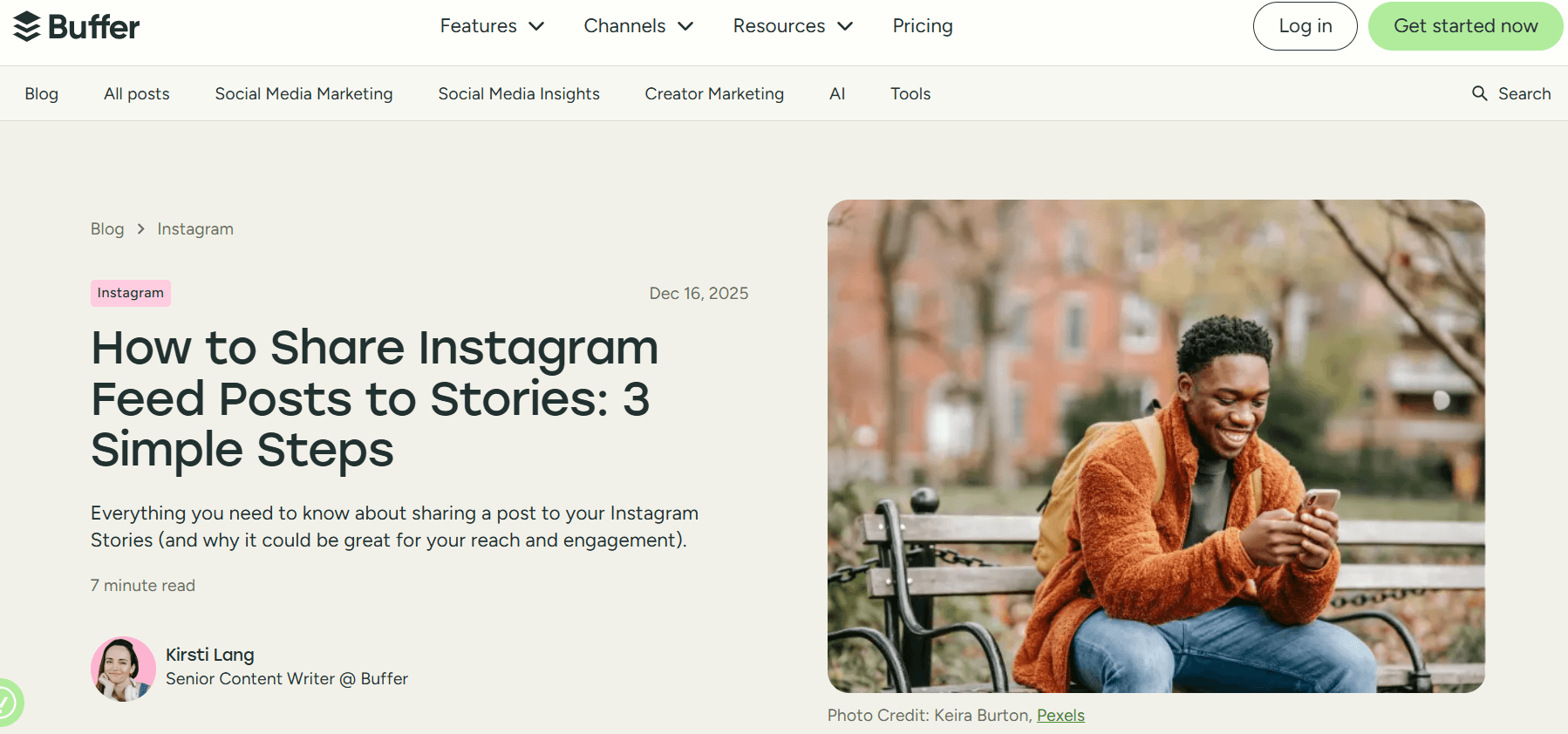
The Buffer blog is a prime example of how to leverage blog posts to attract attention. It’s a social media management tool that helps its users be more productive. Buffer reinforces its focus on social media management and productivity by publishing extremely detailed resources on its blog that help its target audience solve their pain points.
These posts keep readers on its site and draw in extra traffic. They are often shared because of their high value.
Buffer also takes advantage of using its high-quality content to encourage readers to take the next step in the buyer’s journey. On the blog, Buffer incorporates a non-intrusive call-to-action within the page layout, guiding interested readers to try Buffer for free.

Then, at the end of its posts, Buffer holds its audience’s attention by inviting them to stay on its site. Buffer’s posts end with a list of related blogs that offer a path to learning more about the primary topic.
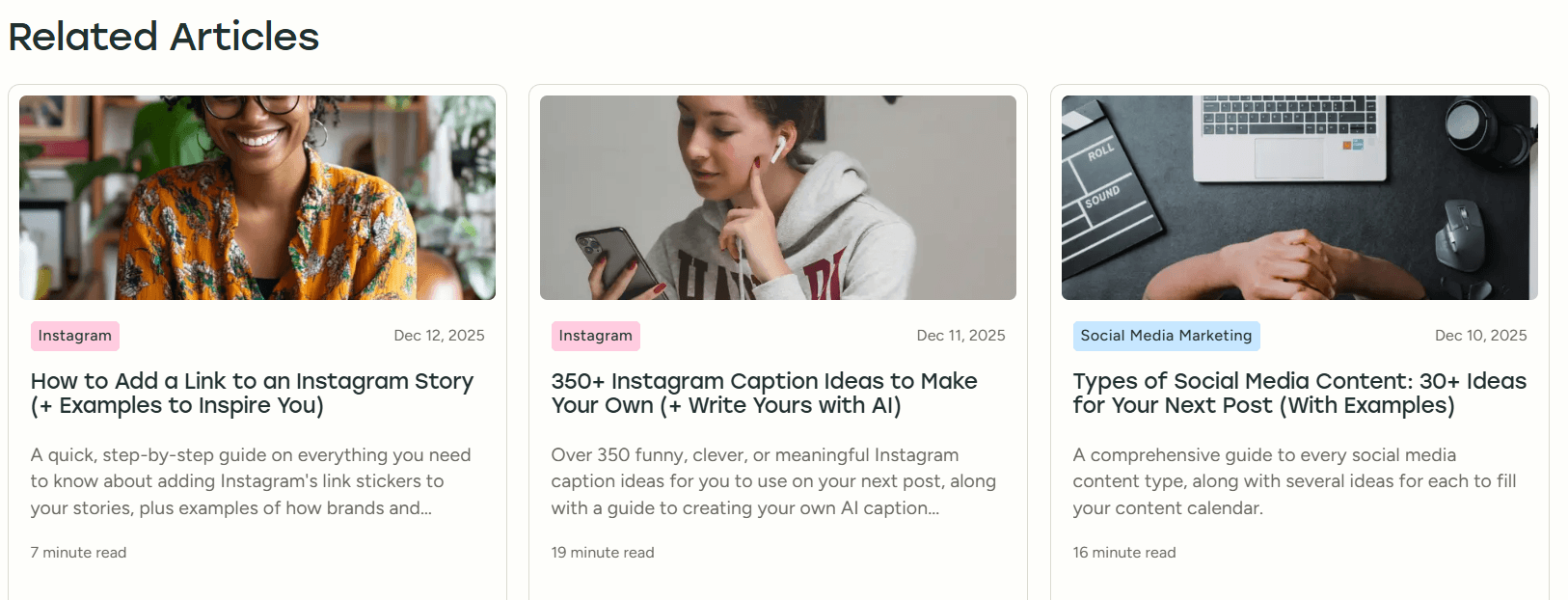
Well-structured blog content gives search algorithms clear signals about topic relevance and depth, which can help improve rankings over time. Ultimately, Buffer uses blog content to attract and hold attention as well as guide audiences through the buyer’s journey.
Downloadable E-Books & How-To Guides
You don’t have to give your content away for free to capture attention on your website. Audiences are often willing to share their contact information in exchange for in-depth e-books or guides.
And customers actually crave this type of freebie when considering whether or not they’ll do business with a brand. In fact, 67% of companies use content such as blogs, e-books, and case studies to attract and convert sales leads, reinforcing how offering free, high-value content plays a direct role in earning trust and influencing buying decisions.
For example, HubSpot offers an expansive library of downloadable marketing guides, ebooks, templates, and reports designed to help businesses grow their online presence.
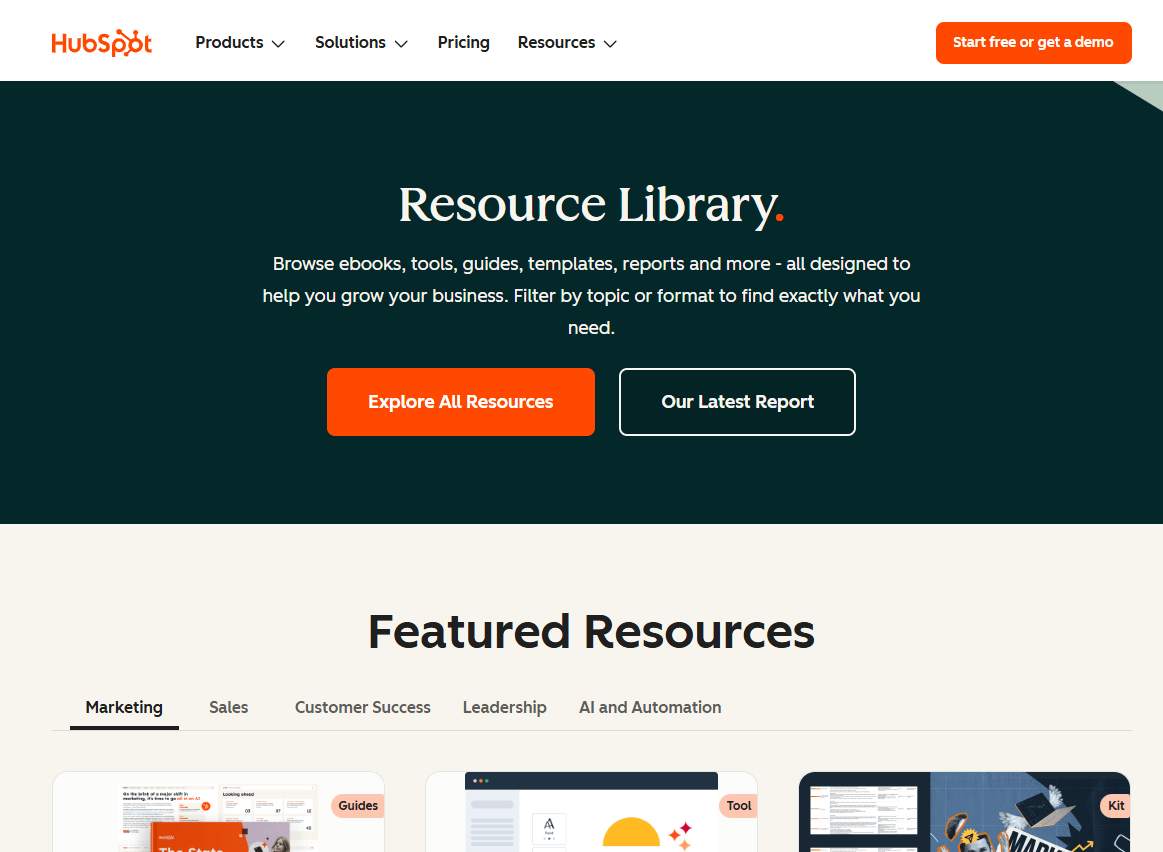
These high-level guides cover topics like content planning, increasing conversion rates, and what makes great content. They also provide templates like content calendars, AI prompts, and blueprints to help teams stay organized.
Even more, for every downloaded guide, HubSpot gains a valuable lead. It collects information that it can later use to guide the reader through its sales funnel.
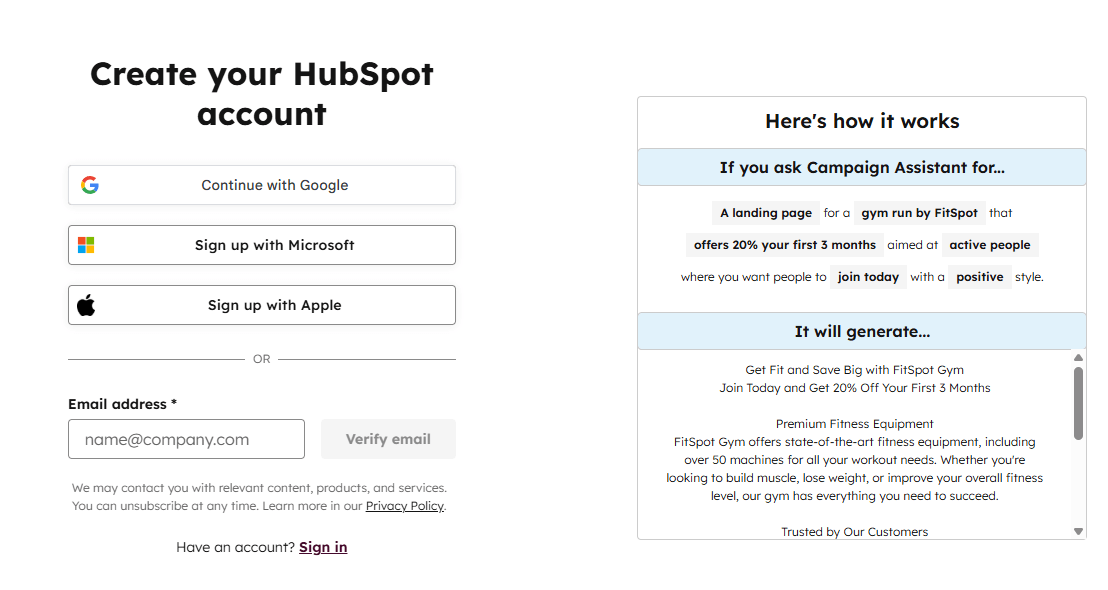
These in-depth resources work because they deliver high-quality content users can’t easily find elsewhere. Offering genuinely valuable content helps reinforce trustworthiness and supports E-E-A-T by showing expertise and authority.
White Papers
Similar to guides and e-books, white papers are downloadable content available to audiences in exchange for their email addresses. But unlike guides and e-books, white paper resources often sit near the end of the sales funnel. The topics usually relate to solving a problem or providing information that a lead needs to make a purchasing decision.
Brands that recognize this opportunity in the buying cycle can provide free white papers to help their audience through this process. Digital Signage Today does this extremely well.
The digital media provider publishes hundreds of white papers on various topics related to digital signage and curates those publications in a comprehensive resource section on its website.
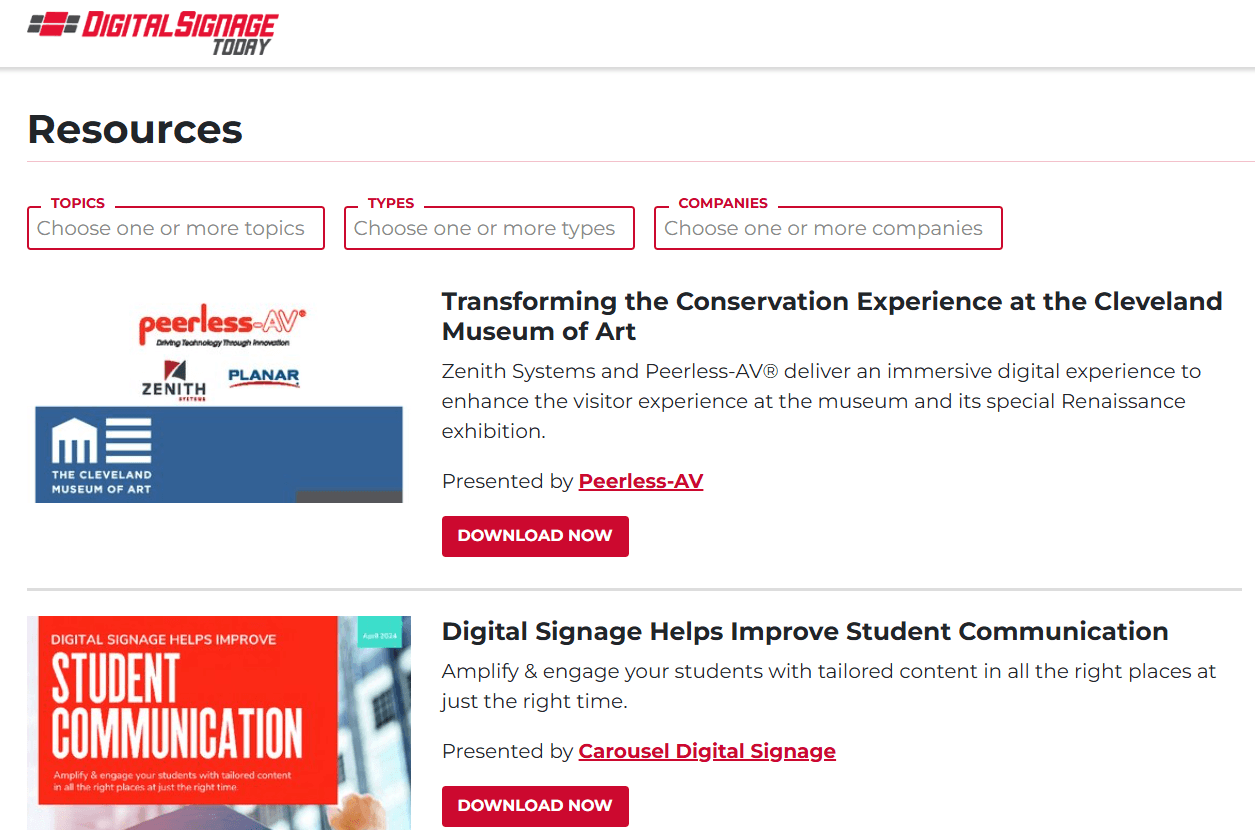
This not only provides a valuable resource for its audience, as readers know where to go anytime they need detailed, expert research and advice, but it also shows the brand’s industry authority. Plus, it provides a path to collecting valuable lead information.
By having a variety of white papers that solve unique problems, Digital Signage Today can better target its leads’ needs and direct them through its sales funnel.
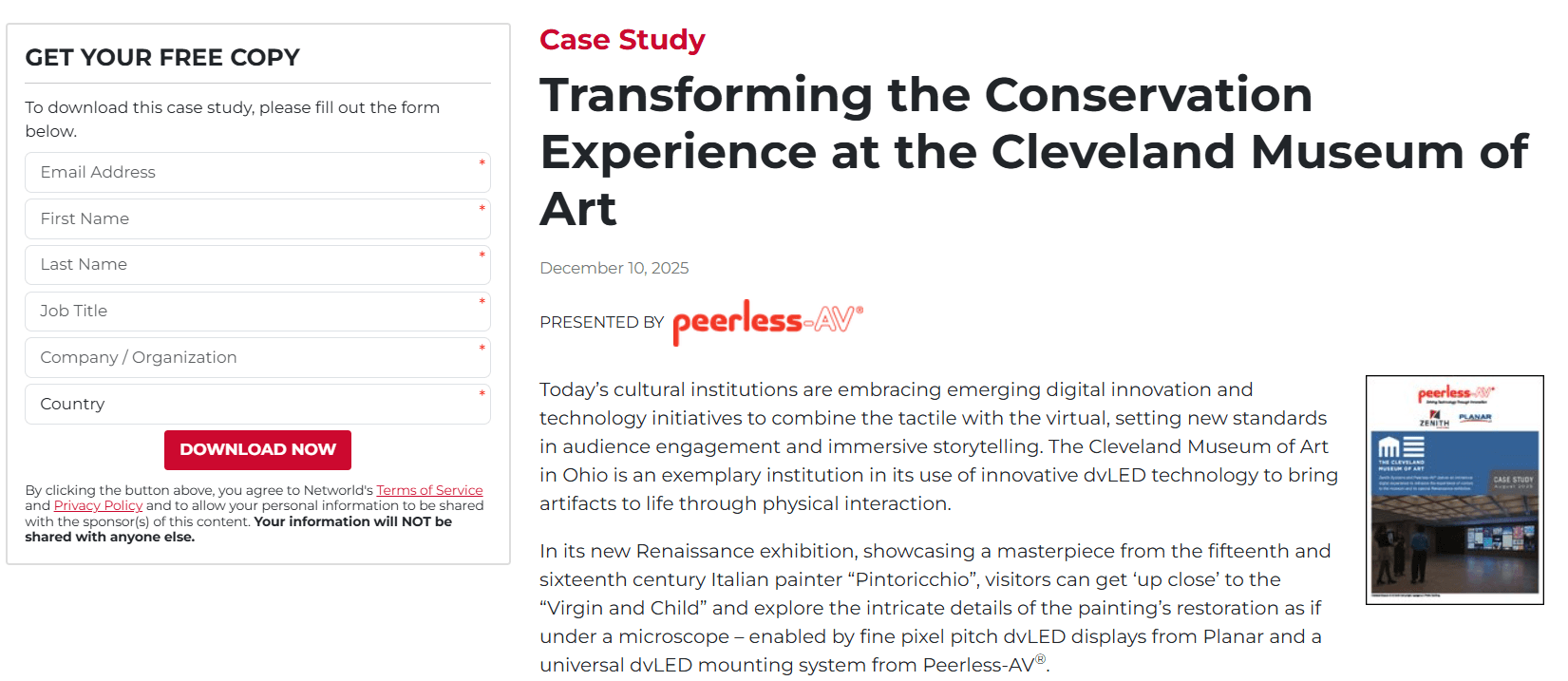
Digital Signage Today shows how providing expert, authoritative, and relevant content that speaks to prospects near the end of the buying cycle can be a prime way to categorize and draw in leads.
Buyer’s Guides
Providing useful and engaging buyer’s guides on your site gives your audience a valuable resource that holds their attention while walking them through the buyer’s journey. And because buyer’s guides often answer specific, intent-driven questions, they can also appear in featured snippets, giving brands added visibility at key decision points in the search journey.
Nike uses buying guides to walk shoppers through different types of apparel based on activity, fit, performance needs, and personal preferences. Each guide breaks down what to look for, such as materials and key features, so buyers can quickly identify which products match their goals.

As users move through the informative content, Nike seamlessly introduces its product lineup within the content itself. Shoppers can explore relevant apparel options as they learn, making it easy to transition from research to purchase without leaving the page.
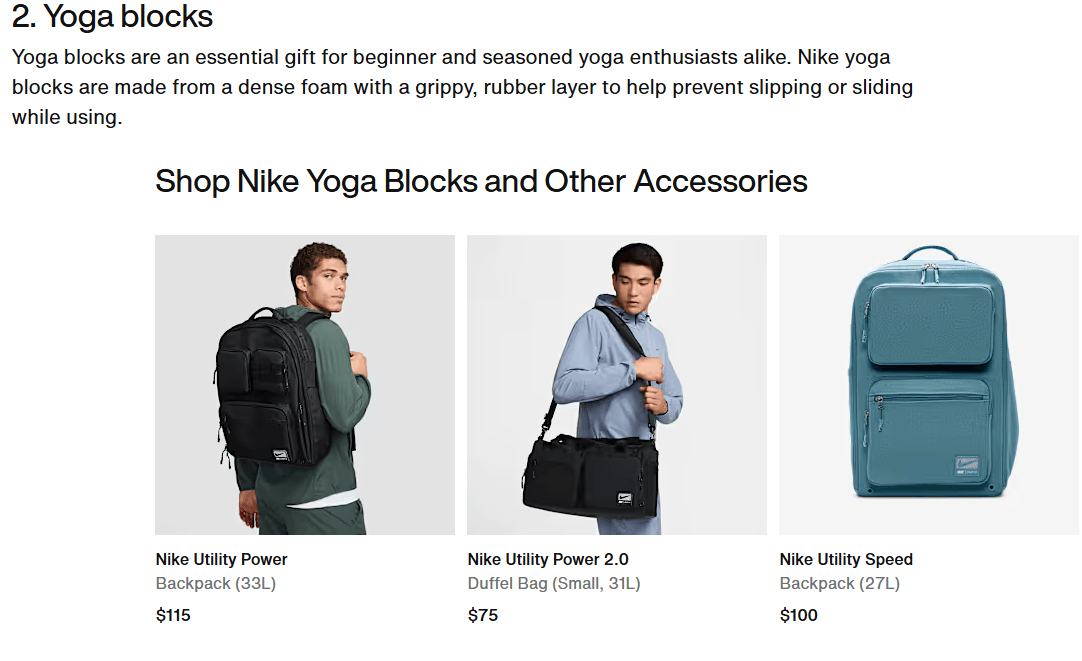
Nike’s buying guides are a good example of how content creation tailored for the end of the buyer’s journey can lead customers to make their purchase.
Infographics
People are visual creatures. Pages that pair written content with relevant visuals see as much as a 94% increase in views compared to text-only content. Infographics provide visual stories that people love, help break down complex data into simple stories, and are often widely shared, making them an ideal medium for on-site content.
A powerful example comes from the World Resources Institute, which published a data-driven visual showing global crop areas at high risk of water stress. Rather than overwhelming readers with statistics, the visual tells a clear story about vulnerability, scale, and global impact.
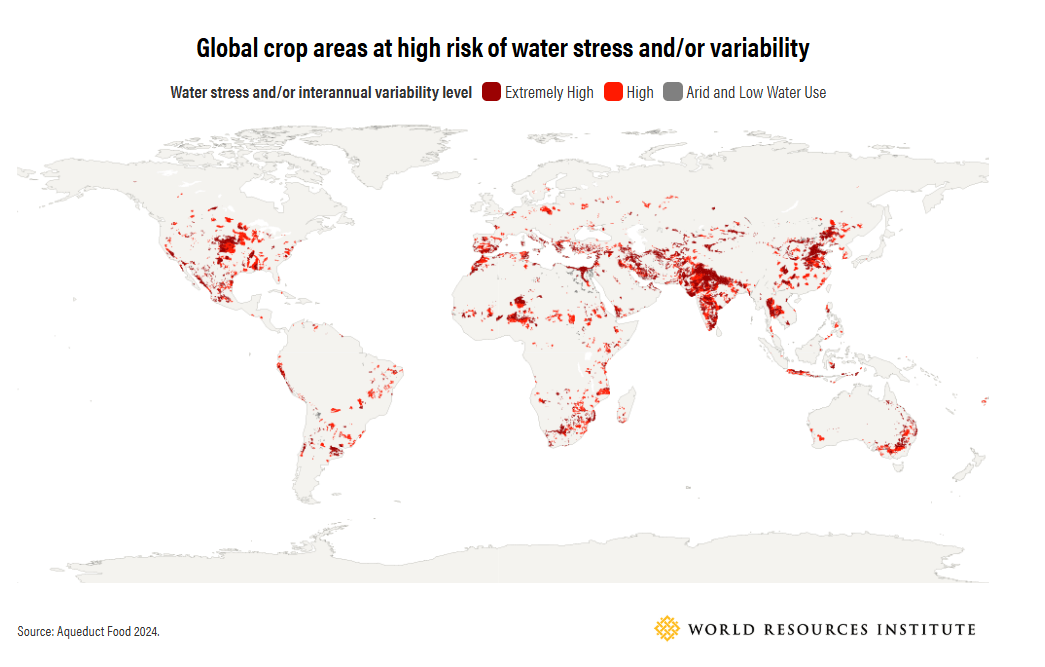
Well-designed infographics like this also serve a broader content purpose. By pairing authoritative data with compelling visuals, brands can capture attention, support credibility, and encourage readers to explore the article further or share it with others who may find the information valuable.
Interactive Infographics & Apps
Digital content that enables users to interact with it and customize the viewing experience can drastically increase the amount of time audiences spend on a site.
A visualization of the world’s largest data breaches and hacks is a strong example of how interactive content can transform dense information into an engaging experience. Users can hover over individual data points to see details about each breach, filter events by year, and click through to articles that explain what happened and why it mattered.
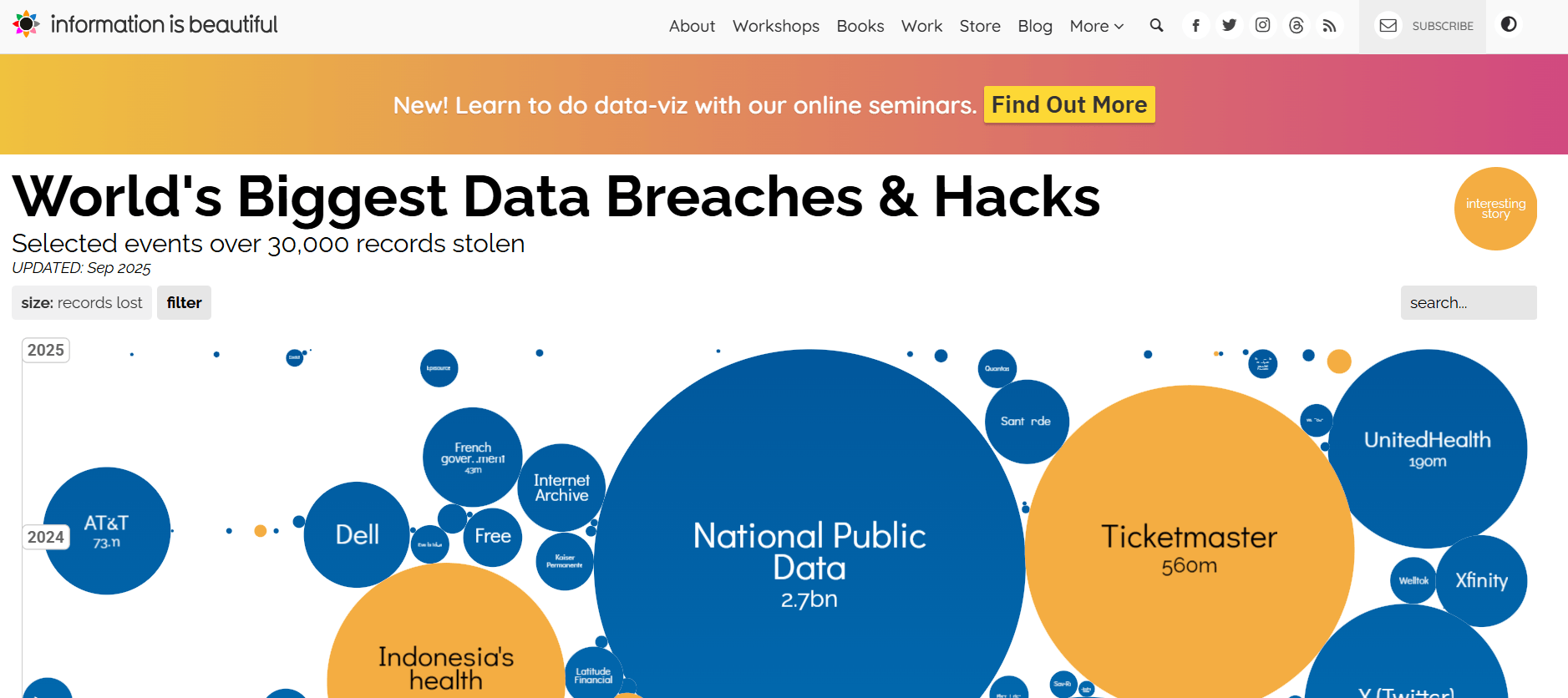
Interactive, optimized content is especially effective at sustaining attention and encouraging users to continue exploring related pages.
Quizzes
Like interactive apps and infographics, quizzes are another fun way to capture attention and search queries, and increase audience engagement on a site.
Quizzes give control to your audience and allow them to direct the results on the page, which increases the amount of time they’ll spend there. BuzzFeed is one website that regularly uses this type of content. It has an entire section of its site dedicated to quizzes.
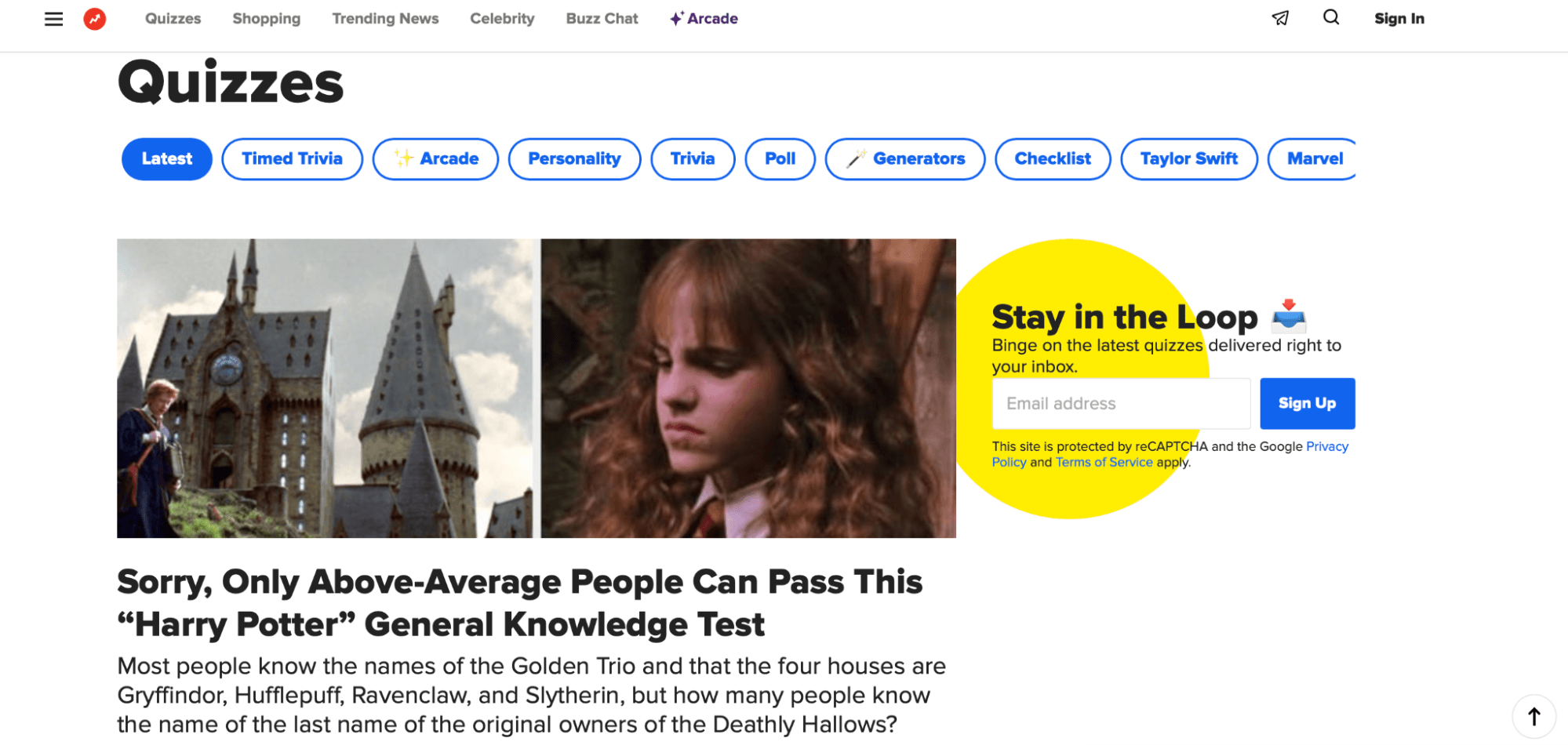
BuzzFeed’s quizzes often offer the audience a chance to look at themselves from a unique perspective. Delivering custom results with quizzes, like Which Of These 12 Powerful Winter Goddesses Are You?, makes it fun and personal for audiences to engage with the on-site content.

Plus, quizzes also help with collecting information about your audience. You can capture their results to learn more about them. You can also add sharing features that encourage your audience to post the results and spread awareness about your website.
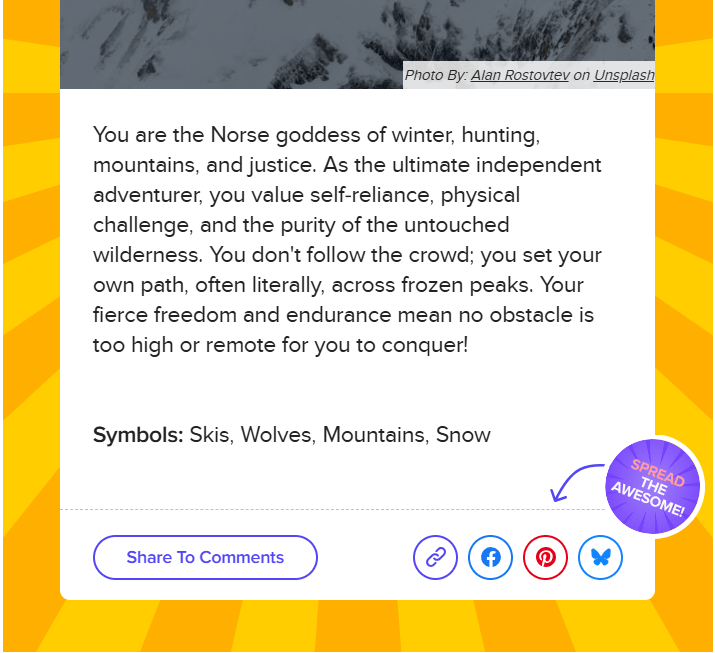
Quizzes provide audiences with content they love, help draw traffic back to your site, and collect information about your readers.
Videos and Tutorials
On-site content that helps audiences solve problems or navigate a complex task or project is an effective way to attract and keep attention on a page.
Home Depot uses informational content to help solve its audience’s problems while introducing them to its products. The home improvement brand has a large on-site, mobile-friendly resource.
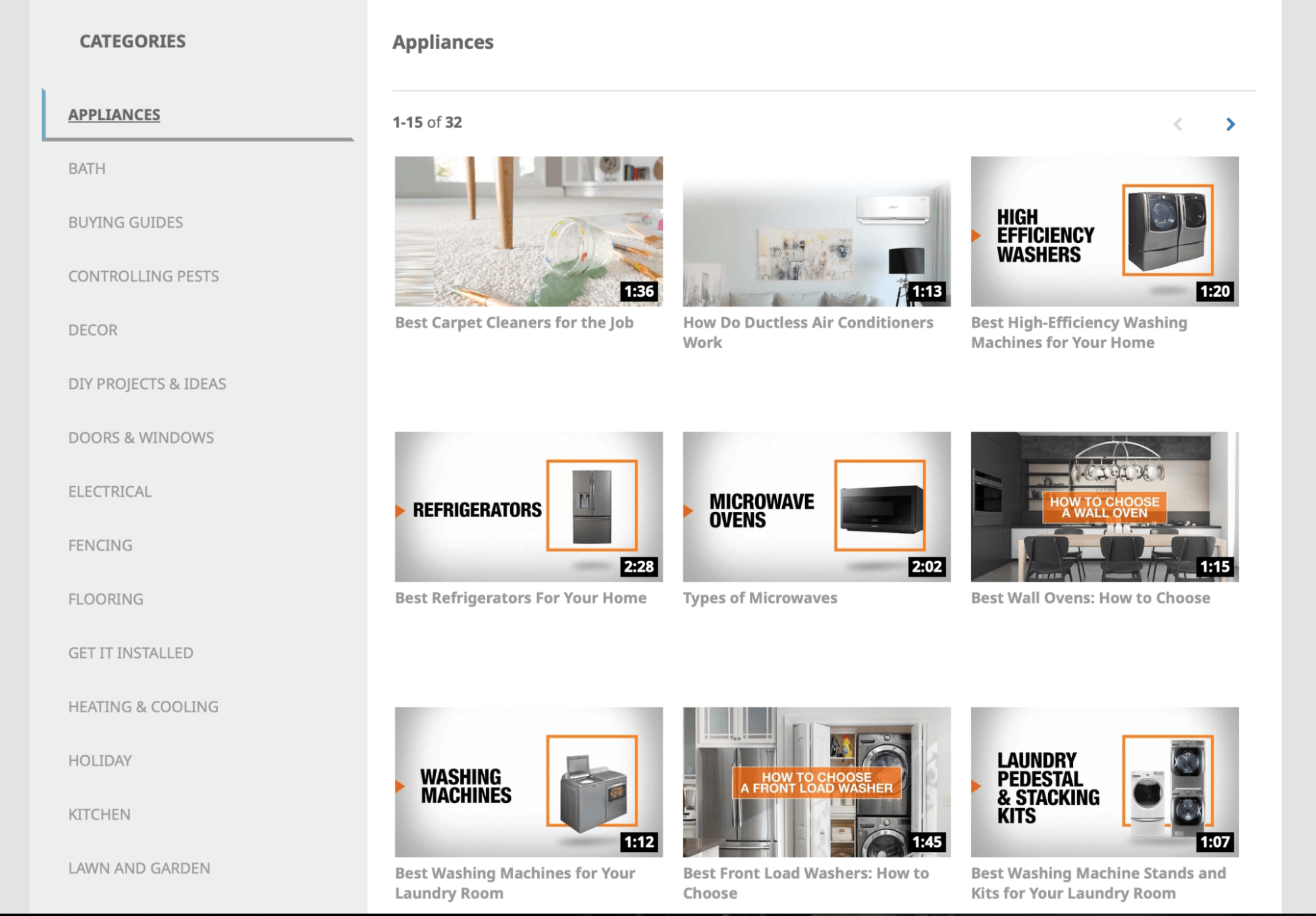
The Home Depot library demonstrates how you can provide valuable information your audience needs while continuing to support your overall goal of turning readers into buyers.
Case Studies
Last on our list is another type of long-form content. Publishing case studies on your website allows you to share real-life stories about the success and results of work in your industry. We have an entire library of case studies published on our site.
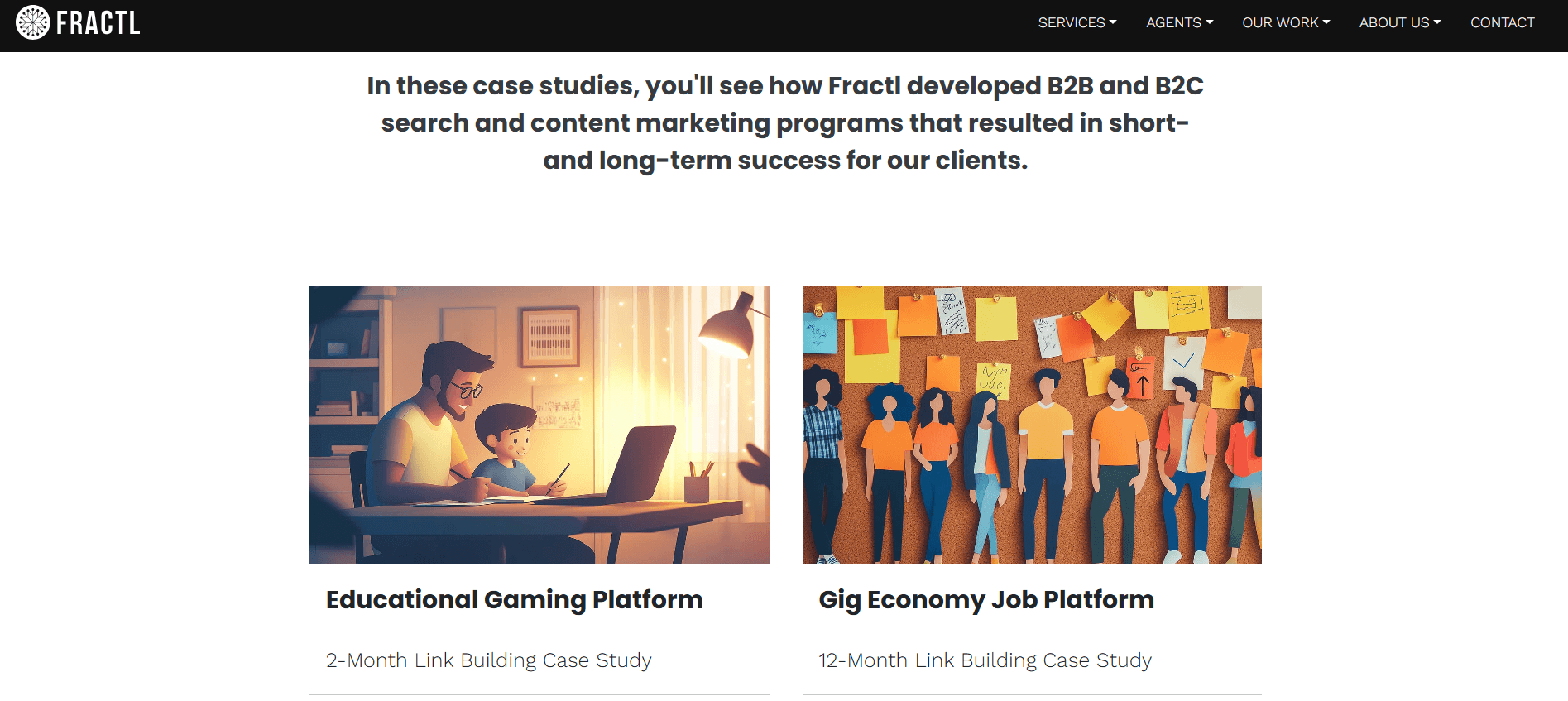
By sharing these case studies, we show our audience how we help clients reach their goals and the types of results we achieve. This educates our audience, shows off our authority and expertise, builds trust and reliability, and draws prospects a step closer to working with us.
Each of our case studies also includes a clear call-to-action, so after our readers have seen our work, they can get in touch to learn about working with us.
Showing examples of your work through case studies is powerful, as it allows prospects to examine your business and determine whether or not your brand can serve their needs.
Bring Your Content Marketing Strategy Full Circle
On-site content completes the cycle of content marketing by capturing the attention of site visitors, establishing a deeper relationship with your audience, and turning audience members into customers.
A thoughtful approach to on-site content also supports long-term SEO performance. By paying attention to on-page structure, technical SEO, and how content performs over time, teams can better understand what resonates with their audience and how search engines interpret their pages.
Tools like Google Analytics, Google Search Console, SEMrush, and Ahrefs make it easier to track metrics like engagement and content performance, identify opportunities for improvement, and see how individual pieces of content contribute to search engine rankings.
Ultimately, on-site SEO efforts that are clear, useful, and aligned with user needs become a steady driver of engagement, visibility, and growth. So make sure you are putting as much energy into creating great on-site content as you are into producing awesome off-site content if you want to experience the full benefits of content marketing.
Ready To Turn On‑Site Content Into Measurable Growth?
Creating engaging on-site content is only half the equation. To drive consistent SEO gains and qualified leads, your content needs to be backed by strategy, data, and search intent. At Fractl, we help brands design and execute content programs that improve rankings, attract the right audiences, and convert traffic into results.
Explore how Fractl can support your on-site content strategy and help you turn engagement into growth.